
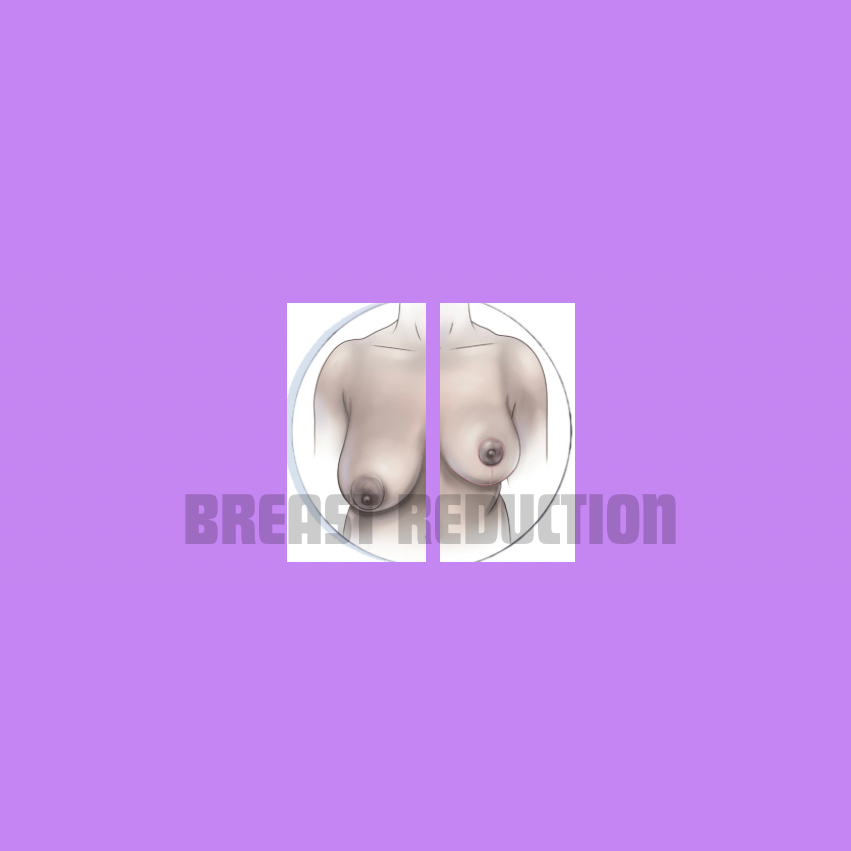
BREAST REDUCTION
Breast reduction, also called reduction mammoplasty, is surgery to remove excess breast fat, glandular tissue, and skin to create smaller, lighter, and more proportionate breasts. It may relieve physical symptoms such as neck, shoulder, and back pain, skin irritation, and difficulty exercising, while also improving confidence and comfort.
Why is breast reduction performed?
Very large or heavy breasts may cause:
- •Neck, shoulder, or upper-back pain.
- •Headaches related to muscle strain.
- •Grooves from bra straps.
- •Skin irritation, rashes, or fungal infections beneath the breasts.
- •Difficulty exercising or participating in sports.
- •Problems finding well-fitting clothing.
- •Sleep discomfort.
- •Emotional distress or reduced self-confidence.
Breast reduction helps improve these symptoms.
THOUGH LARGE BREASTS ARE NOT CONSIDERED AS A PROBLEM SOCIALLY, THIS IS ACTUALLY A PHYSCIALLY DISTURBING PROBLEM FOR THE PERSON WHO HAS MACROMASTIA AND SURGICAL TREATMENT IS A VALID SOLUTION.
Who needs this surgery?
Breast reduction may be considered by adults who have persistent symptoms related to breast size and are otherwise medically suitable for surgery. Some adolescents may also be considered when breast development is sufficiently established and the symptoms are significant.
A consultation is important because breast size, body shape, health conditions, future pregnancy plans, weight changes, and personal expectations can affect the decision.
What happens in pre-op consultation ?
- •Clear discussion about your medical history and medicines.
- •Examination of your breasts and discuss your goals.
- •History about smoking, allergies, previous operations, and family history.
- •Discuss pregnancy and breastfeeding plans.
- •Recommend a mammogram or other breast assessment when appropriate.
Proper explanation about how the surgical procedure is done will be given
Recovery after breast reduction
After surgery, the breasts are covered with dressings, and a supportive surgical bra. Bruising, swelling, tightness, and temporary discomfort are common during the early recovery period.
Recovery varies from person to person:
- •Light daily activities can be resumed in a week.
- •Heavy lifting and strenuous exercise should be avoided until the surgeon confirms that healing is adequate.
- •Driving should be avoided while taking strong pain medicine or when arm movement is restricted.
- •Breast shape and scars may continue to settle for several months, sometimes up to a year.
Clinical Records
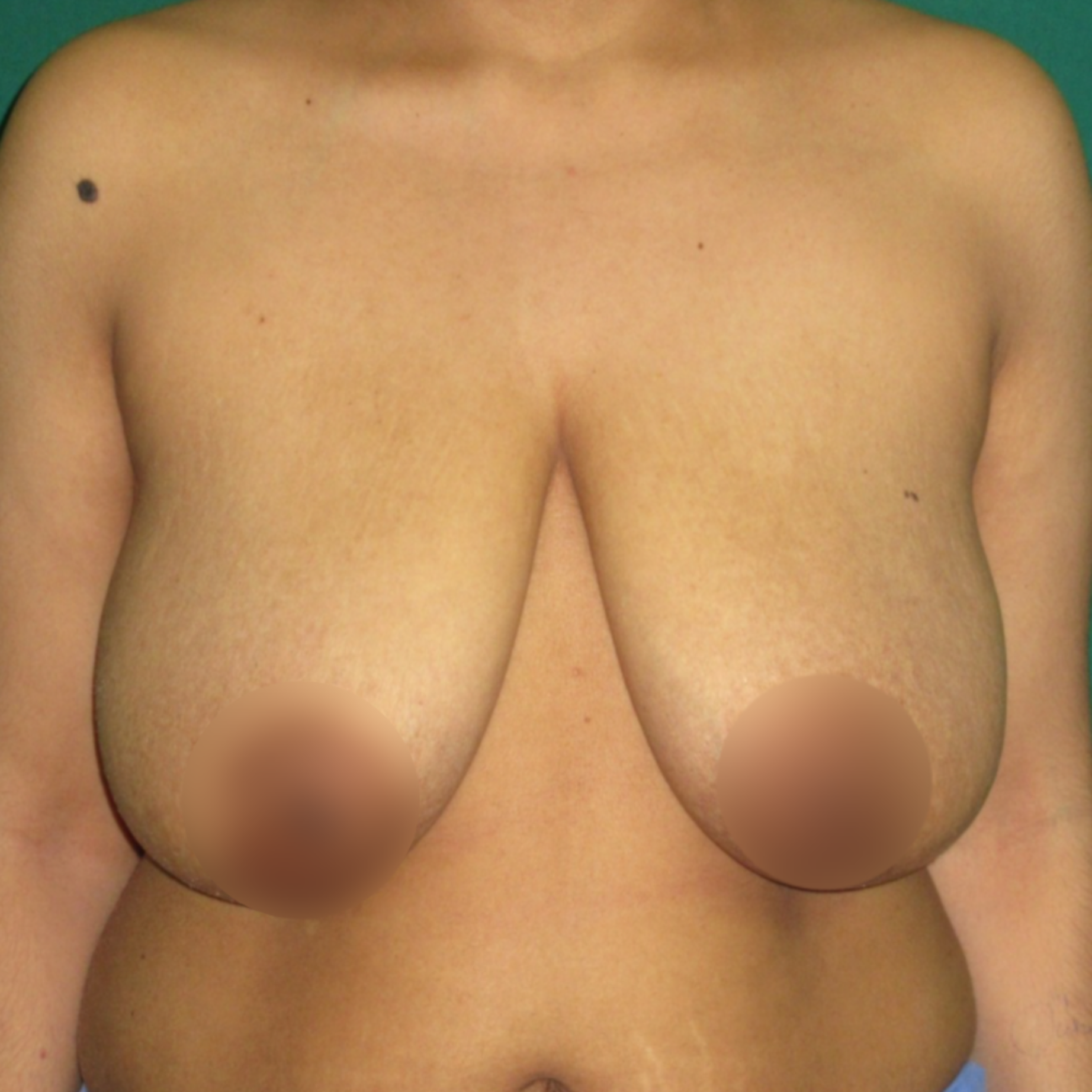
Pre-Operative Macromastia Presentation
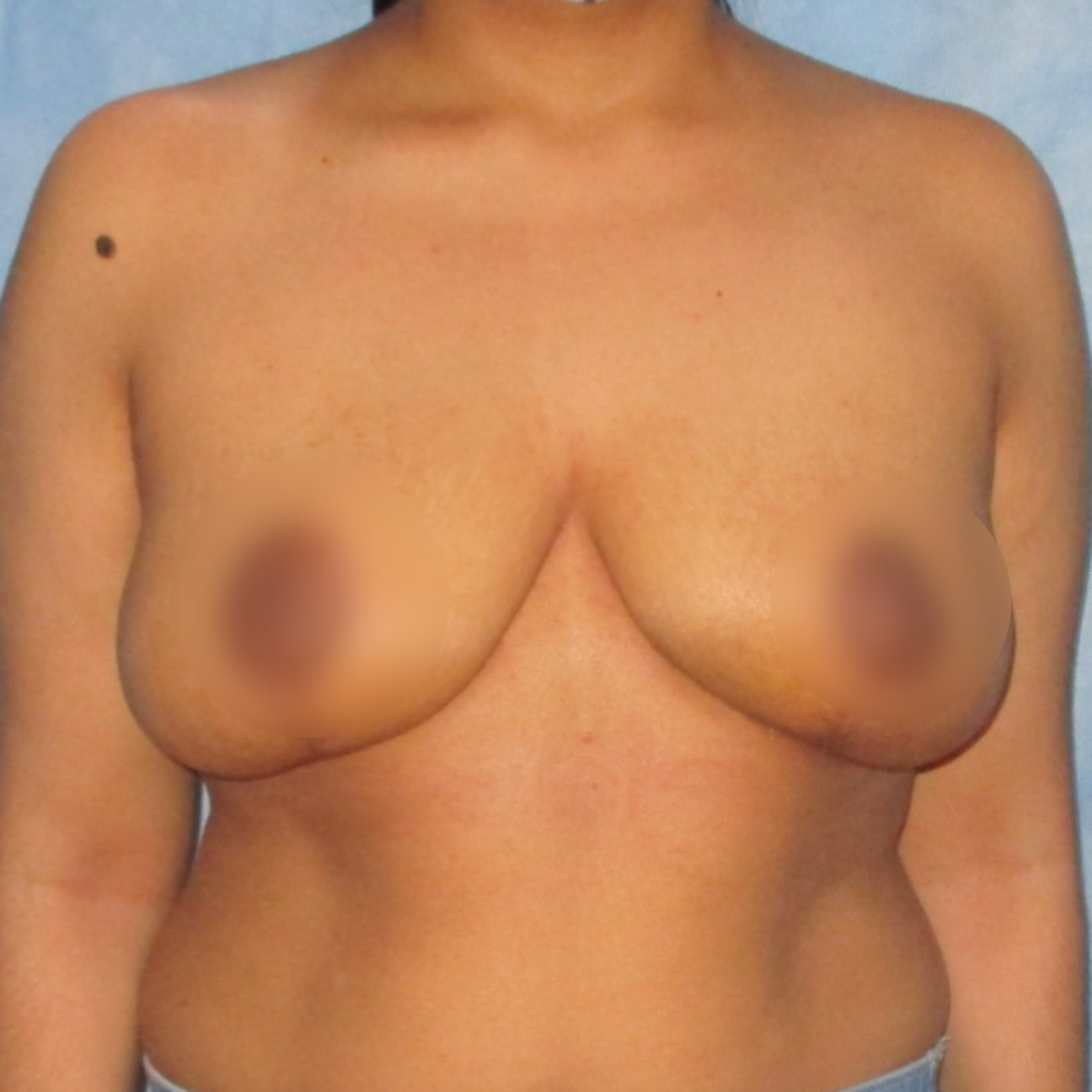
Post-Operative Proportionate Contour