
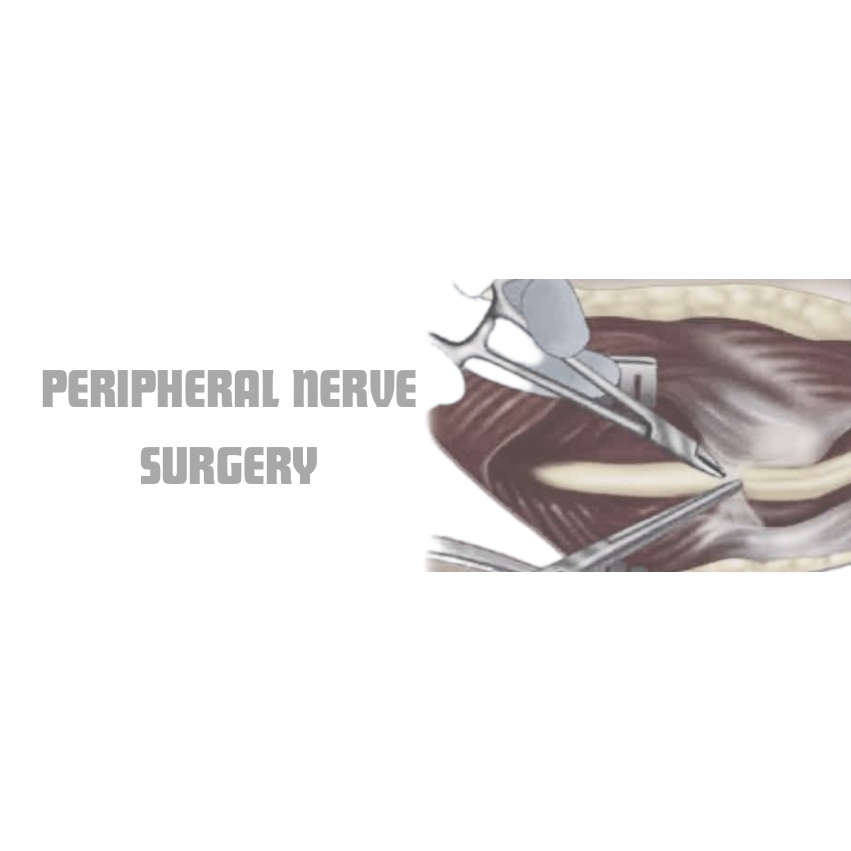
Peripheral Nerve Surgery: A Patient-Friendly Guide to Symptoms, Treatment, and Recovery
Peripheral nerve surgery is a type of operation that treats nerves outside the brain and spinal cord when they are injured, compressed, or causing pain, with the goal of improving function and reducing symptoms. It is often used for problems like nerve injuries after trauma, nerve entrapment, and some nerve tumors.
What peripheral nerves do
Peripheral nerves carry signals between the brain, spinal cord, and the rest of the body. They help you feel touch, pain, and temperature, and they also control movement and muscle strength.
When a peripheral nerve is damaged, people may notice numbness, tingling, burning pain, weakness, or loss of coordination. Some people also develop long-lasting nerve pain that does not improve with medicines alone.
When surgery may help
Surgery may be considered when a nerve is cut, trapped, stretched, or compressed and symptoms are affecting daily life. Common examples include traumatic nerve injury, carpal tunnel syndrome, cubital tunnel syndrome, and certain nerve sheath tumors.
The main goals are to improve function, reduce pain, and help the nerve recover as much as possible. In some cases, surgery may also help restore strength or sensation, though recovery is often gradual.
Types of surgery
The exact procedure depends on the problem. Surgeons may repair a cut nerve, free a nerve from surrounding scar tissue or pressure, remove a tumor involving the nerve, or reconnect nerves using grafts or transfers.
Not every nerve problem needs the same operation, and some patients may be treated without surgery first. Your surgeon usually decides based on the cause of the injury, how long symptoms have been present, and how much function has been lost.
Before surgery
Before the operation, your team may review your symptoms, examine nerve function, and discuss the expected benefits and risks. Some patients are advised to stop smoking, because better blood flow supports healing.
You may also receive instructions about eating, medications, and when to stop certain drugs before surgery. Following these instructions carefully can help reduce complications and improve recovery.
Recovery after surgery
Recovery can take weeks to months, and sometimes longer, because nerves heal slowly. After surgery, you may need a dressing, splint, or cast, and you may be told to keep the area dry and protect the hand or limb from strain.
Rehabilitation is often an important part of healing. Hand therapy or physiotherapy may include exercises, scar care, swelling control, and guidance on protecting the numb area from heat, pressure, or injury.
Risks and expectations
Like all surgery, peripheral nerve surgery has risks. These can include bleeding, infection, wound-healing problems, worsening pain, numbness, weakness, nerve injury, and the need for another operation.
It is also important to know that surgery does not always restore normal nerve function. Some improvement may be partial, and the final result depends on the type of injury, the nerve involved, and how early treatment starts.
When to seek care
After surgery, contact your care team urgently if you develop new weakness, increasing numbness, severe pain, fever, drainage from the wound, or other worrying neurological changes. Emergency care is needed for severe or sudden symptoms.
If you are living with persistent numbness, tingling, weakness, or nerve pain, a consultation can help clarify whether surgery is appropriate.